When preparing to sell a home, many homeowners focus on painting walls, improving landscaping, or upgrading kitchens. However, one of…
Read More
A missing shingle may not seem like a major problem at first, but even a small
Read More
Replacing roof shingles is one of the most important investments you can make in your home. While it may seem straightforward, the cost of shingle replacement can vary widely depending on several key factors. At Milledge Roofing Company, we believe homeowners should understand what goes into pricing so they can make informed decisions about their roofing replacement project. Here’s a breakdown of the main elements that affect the cost.
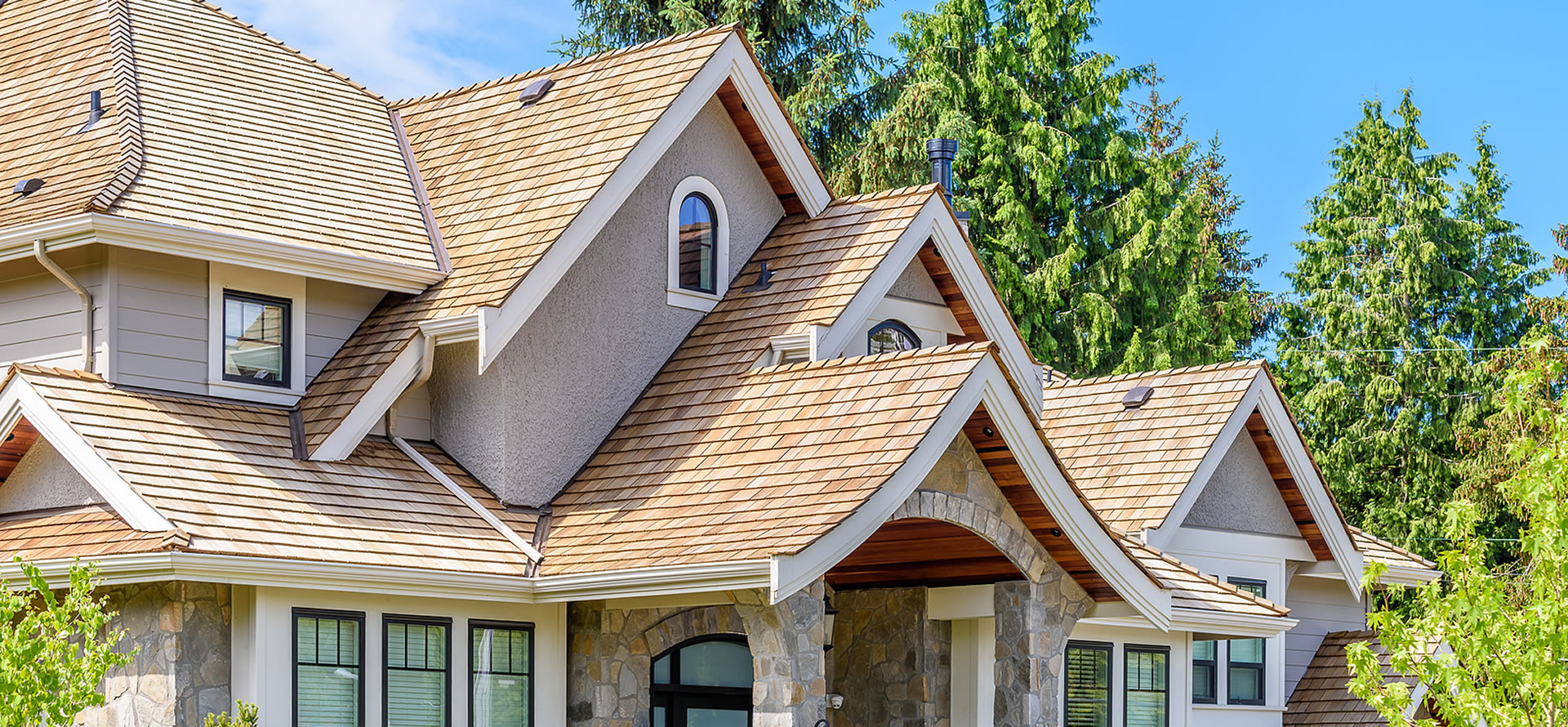
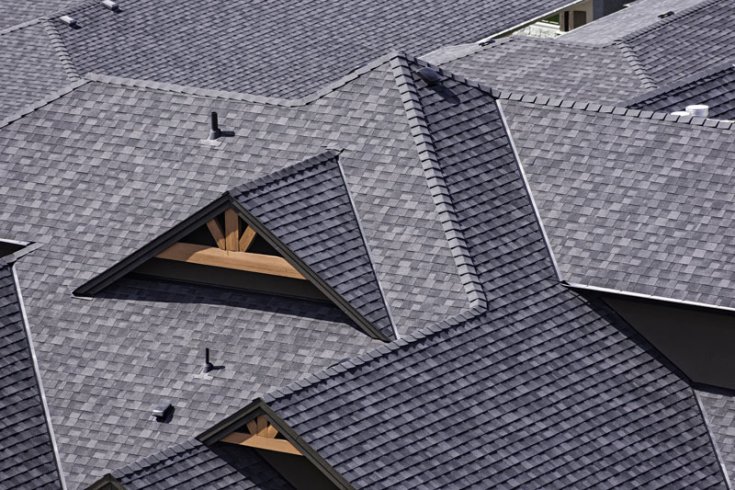
The overall size of your roof is one of the biggest cost factors. Larger roofs require more materials and more labor, which naturally increases the price. However, complexity also plays a major role. Roofs with multiple slopes, steep pitches, valleys, or dormers take more time and skill to work on. Experienced roofers must carefully navigate these features, which can raise labor costs compared to a simple, flat design.
Not all shingles are created equal. Basic asphalt shingles are typically the most affordable option, while architectural or designer shingles cost more but offer better durability and visual appeal. Premium materials can increase upfront costs, but they often last longer and provide better protection. A reputable roofing company will help you choose shingles that balance your budget with long-term value.
Labor is a significant portion of any roofing replacement project. Skilled roofers ensure that shingles are installed correctly, which is critical for preventing leaks and extending the life of your roof. Labor costs can vary depending on your location, the difficulty of the job, and the experience level of the crew. While it may be tempting to choose the lowest bid, quality workmanship is essential to avoid future repairs.
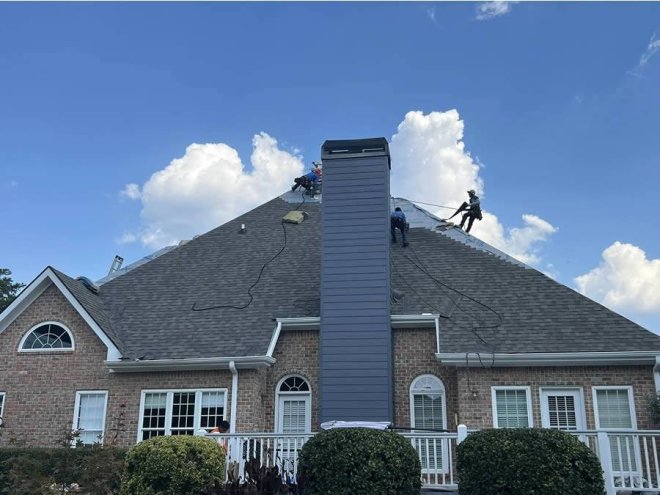
Before new shingles can be installed, the old roofing materials often need to be removed. This process, known as a tear-off, adds to the total cost due to additional labor and disposal fees. In some cases, homeowners may consider layering new shingles over the old ones, but this is not always recommended, as it can hide underlying damage and shorten the lifespan of your roof.
The condition of the roof deck underneath your shingles can significantly impact the cost. If the decking is damaged due to moisture, rot, or structural issues, it will need to be repaired or replaced before new shingles are installed. While this adds to the initial cost, addressing these problems is crucial for a safe and durable roofing system.
Beyond shingles, your roof includes several other components, such as underlayment, flashing, and ventilation systems. High-quality underlayment provides an extra layer of protection against water intrusion, while proper flashing helps seal vulnerable areas like chimneys and vents. Upgrading these materials can increase the cost but greatly improves the performance and longevity of your roof.
The time of year can also influence pricing. Roofing projects are often in higher demand during certain seasons, which can affect scheduling and costs. Additionally, weather conditions can impact how quickly a project can be completed. Planning your roofing replacement during a less busy time may help you secure better pricing and availability.
The cost of shingle replacement depends on a combination of factors, including roof size, materials, labor, and underlying conditions. While it may seem like a major expense, a properly installed roof protects your home, improves energy efficiency, and enhances curb appeal.
At Milledge Roofing Company, our experienced roofers are committed to providing transparent pricing and high-quality service. Whether you’re considering a minor shingle replacement or a full roofing replacement, we’re here to guide you every step of the way, ensuring you get the best value for your investment.

100% Satisfied! I highly recommend this company. Mike is very kind, extremely knowledgeable, and professional. I called several companies and Mike/Milledge Roofing responded the quickest, answered all my questions, and also had the most reasonable price. I am very pleased with the repairs done to my roof today. Impressive company!*****
My wife and I just bought a house and noticed that the roof needed to be fixed. Everyone that I talked to recommended this company and now I can see why. Mike is super friendly, quick to respond, and the quality of work is amazing! He and his team came out, quoted us, and had the new roof on within the week. We are very pleased with him and recommend them to anyone with roofing needs!
I highly recommend Milledge Roofing and can't say enough about how professional, knowledgeable and caring they are. Bret and Mike went above and beyond to make sure my family will stay safe. They fixed what needed to be fixed and didn't try to sell me on anything and have proven to be a very trustworthy company.
They did a great job on our roof and the process was painless. Seth cash was very polite and helpful while helping me deal with my insurance claim and was always quick to respond when I had any questions. The roofers did a perfect job and there was no trash left or any damage to my plants. I would highly recommend them!