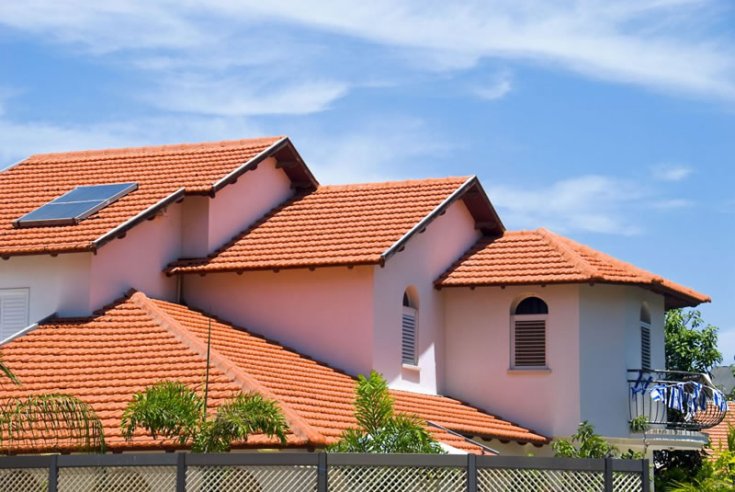
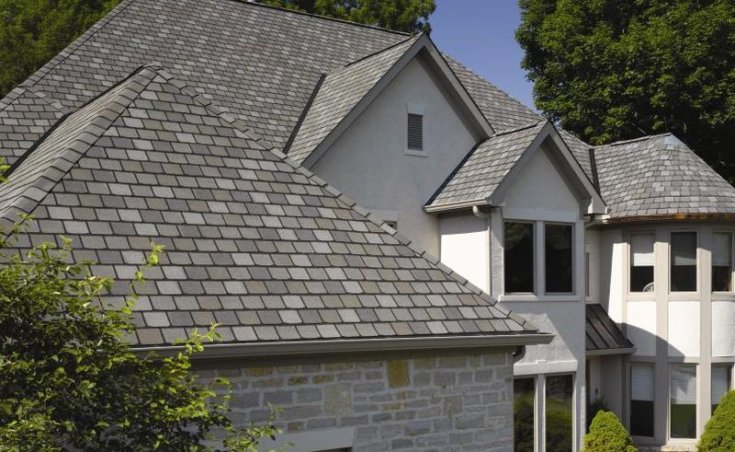
When homeowners think about roofing, shingles are usually the first thing that comes to mind. But not all shingles are…
Read More
Replacing roof shingles is one of the most important investments you can make in your home. While it may seem…
Read More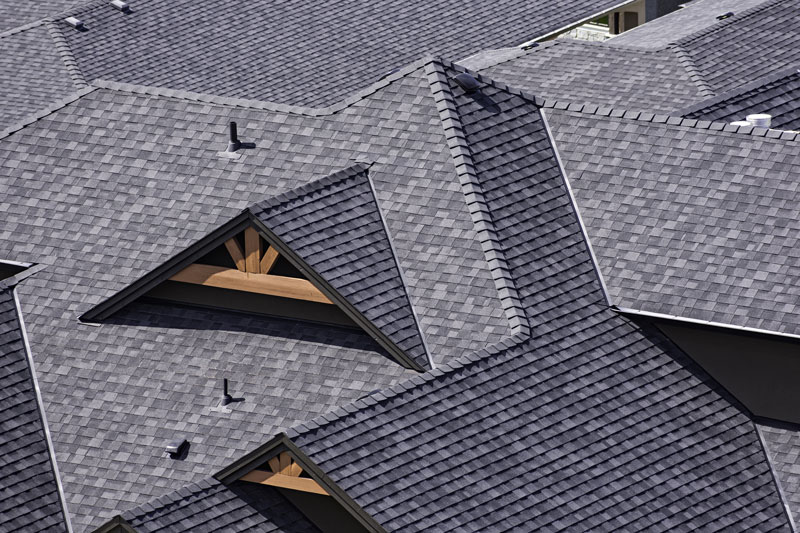
A roof does much more than protect your home from rain, wind, and falling debris. It also plays a major role in how comfortable your home feels and how much energy it takes to heat or cool it. If your utility bills have been climbing and your roof is older, damaged, or poorly ventilated, it may be time to consider whether a roofing replacement could help improve your home’s energy efficiency.
Milledge Roofing Company helps homeowners understand when a new roof is not just a structural upgrade, but also a smart investment in long-term comfort and energy savings. While every home is different, a properly installed roof can reduce heat transfer, improve ventilation, and help your HVAC system work more efficiently.
As roofs age, they often lose their ability to protect the home effectively. Shingles may curl, crack, loosen, or lose granules. Small gaps can develop around flashing, vents, and roof edges. These problems may allow outside air and moisture to enter the attic space, making it harder to maintain a stable indoor temperature.
During the summer, an aging roof can absorb and trap heat. That heat may move into the attic and living areas, forcing your air conditioner to run longer. In colder months, poor insulation or roof leaks can allow warm air to escape. When your heating and cooling system has to work harder, utility bills often rise.
Professional roofers can inspect your roof and determine whether damage, aging materials, or ventilation issues may be contributing to energy loss.
Today’s roofing materials are designed with better performance in mind. A new roof may include shingles that reflect more sunlight, underlayment that adds protection, and improved installation methods that reduce weak points. Some modern shingles are made to help limit heat absorption, which can be especially helpful in warm climates.
If your current roof has widespread wear, shingle replacement may improve protection in certain areas. However, if the roof is near the end of its lifespan, a full roofing replacement may provide better overall results. Milledge Roofing Company can help homeowners compare repair, shingle replacement, and full replacement options based on the condition of the roof.
A new roof can also improve attic ventilation when the system is designed correctly. Ventilation allows hot, humid air to escape from the attic while bringing in fresh air from outside. Without proper airflow, heat can build up under the roof deck, making the home warmer and increasing cooling costs.
Poor ventilation may also shorten the life of roofing materials. Excess heat and moisture can damage shingles from underneath, contribute to mold growth, and weaken the roof structure over time. When a roofing company installs a new roof, it can evaluate the attic ventilation system and make improvements where needed.
Your heating and cooling system is one of the biggest energy users in your home. When your roof, attic, and ventilation system are working properly, indoor temperatures are easier to control. This means your HVAC system may not need to run as often or as long to keep your home comfortable.
Lower strain on your HVAC system may also help reduce wear and tear. While a new roof alone may not solve every energy problem, it can be an important part of a more efficient home.
Energy savings are only one reason to consider a new roof. A roofing replacement can also improve curb appeal, increase home value, reduce the risk of leaks, and give homeowners more peace of mind during storms. If you plan to sell your home, a newer roof may also make the property more attractive to buyers.
A new roof can help lower utility bills when the existing roof is damaged, outdated, poorly ventilated, or no longer performing well. With quality materials, proper installation, and improved ventilation, your home may stay more comfortable while using less energy. Milledge Roofing Company is the roofing company homeowners can trust for professional inspections, shingle replacement, and roofing replacement services. If your roof is aging or your energy bills keep rising, speaking with experienced roofers can help you decide the best next step for your home.

100% Satisfied! I highly recommend this company. Mike is very kind, extremely knowledgeable, and professional. I called several companies and Mike/Milledge Roofing responded the quickest, answered all my questions, and also had the most reasonable price. I am very pleased with the repairs done to my roof today. Impressive company!*****
My wife and I just bought a house and noticed that the roof needed to be fixed. Everyone that I talked to recommended this company and now I can see why. Mike is super friendly, quick to respond, and the quality of work is amazing! He and his team came out, quoted us, and had the new roof on within the week. We are very pleased with him and recommend them to anyone with roofing needs!
I highly recommend Milledge Roofing and can't say enough about how professional, knowledgeable and caring they are. Bret and Mike went above and beyond to make sure my family will stay safe. They fixed what needed to be fixed and didn't try to sell me on anything and have proven to be a very trustworthy company.
They did a great job on our roof and the process was painless. Seth cash was very polite and helpful while helping me deal with my insurance claim and was always quick to respond when I had any questions. The roofers did a perfect job and there was no trash left or any damage to my plants. I would highly recommend them!